

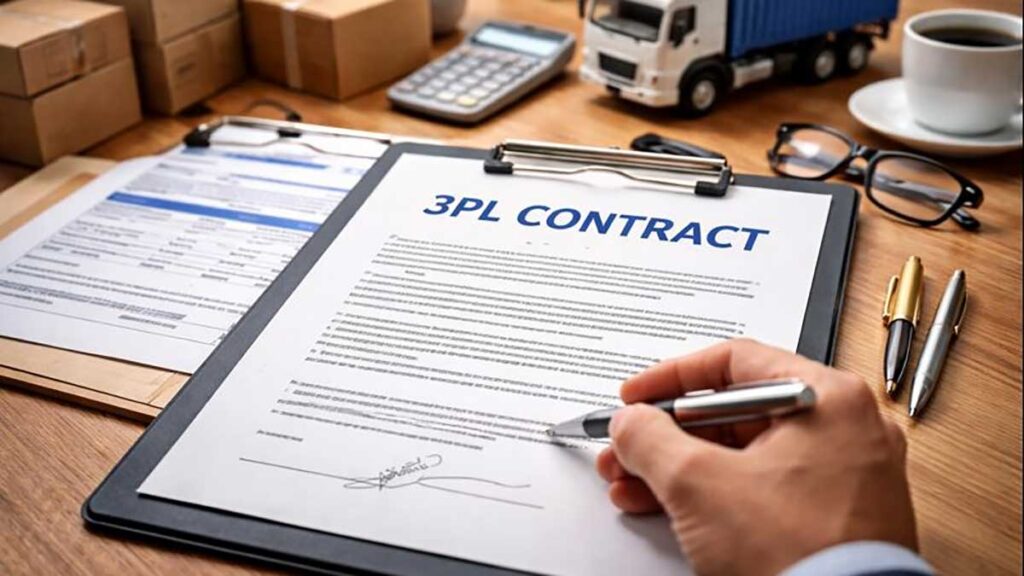
Choosing the right 3PL is only part of the equation—understanding the contract is just as critical. A well-structured agreement protects your business, sets clear expectations, and ensures a smooth partnership. Here’s what to look for—and what to avoid.
What to Look For:
- Transparent Pricing: Ensure fees for storage, picking, packing, shipping, and special services are clearly defined. Look for predictable costs rather than hidden or variable charges that could impact your margins.
- Service Level Agreements (SLAs): SLAs outline performance expectations, such as order accuracy, shipping speed, and response times. Clear metrics help hold your 3PL accountable.
- Termination Clauses: Understand the notice period and conditions for ending the partnership. This ensures you have flexibility if the relationship isn’t meeting your needs.
- Inventory and Data Access: You should have real-time visibility into inventory levels, orders, and fulfillment status. Ensure the contract guarantees access to critical reporting and system integrations.
What to Avoid:
- Overly Long Lock-In Periods: Long-term contracts with steep penalties make it difficult to switch providers if performance issues arise.
- Vague Performance Metrics: Ambiguous SLAs leave you without leverage if service levels slip. Avoid contracts without clearly defined standards.
- Hidden or Complex Fees: Extra charges for packaging, returns, or reporting can quickly add up. Always clarify all potential costs upfront.
- Limited Control or Visibility: If a contract restricts access to your own inventory data, it can create operational risk and limit your ability to make informed decisions.
A strong 3PL contract balances accountability, transparency, and flexibility. By knowing what to look for—and what to avoid—you protect your business while building a partnership that supports growth, efficiency, and reliable fulfillment.